
Trees add beauty to our city
We’d all like to see more trees because they look good, they cool the city, and they clean our air.
Yarra policy and strategy
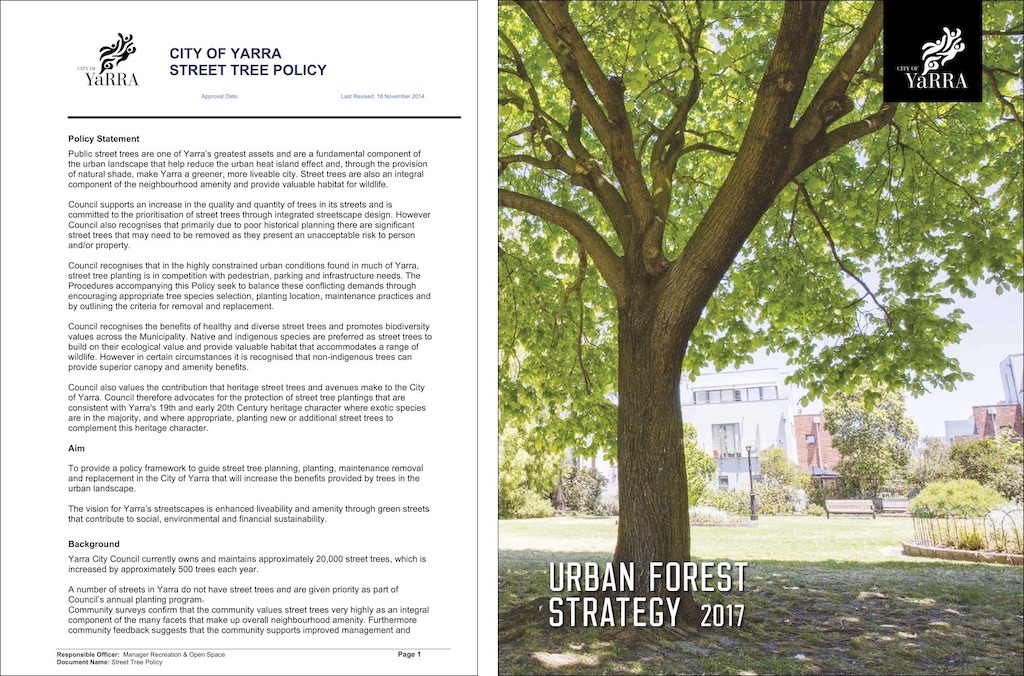
Yarra has a Street Tree Policy and an Urban Forest Strategy:
Council supports an increase in the quality and quantity of trees in its streets and is committed to the prioritisation of street trees through integrated streetscape design.
City of Yarra Street Tree Policy
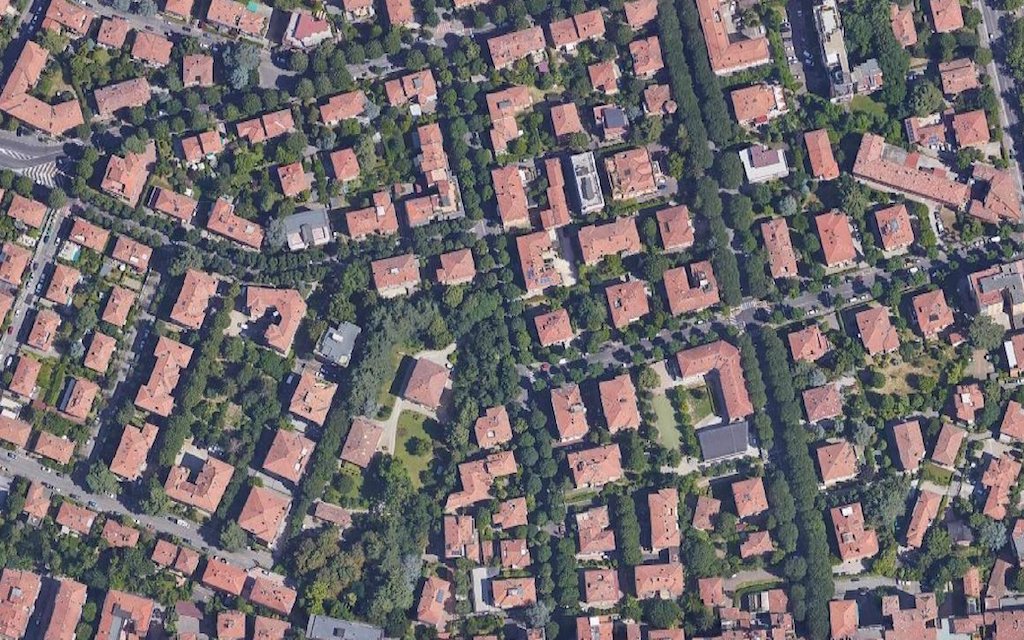
The strategy identifies that we have an overall canopy coverage of 17%, and targets 21% by 2040. Streets Alive Yarra supports the vision and objectives of the strategy. The problem is that the target is too low, and we need a much higher level of canopy cover to have a meaningful impact.
What Yarra can do
Council can increase the 2040 target for canopy cover in Yarra from 21% to either:
- 30%, which is the minimum recommended by Infrastructure Victoria, or
- 40%, which is the target adopted by the City of Melbourne.
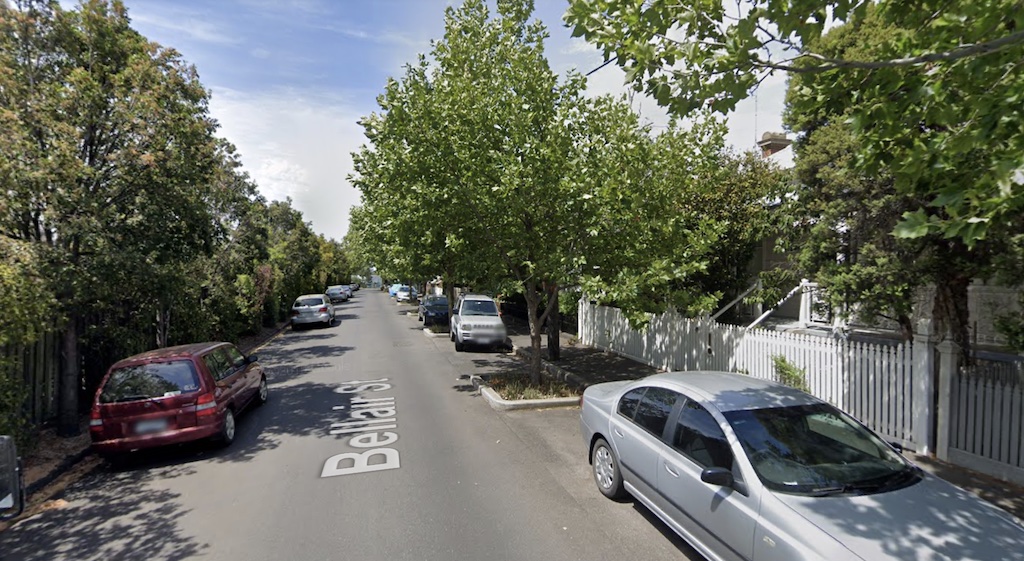
In addition, council can update the Street Tree Policy and the Urban Forest Strategy to align with the Place Making Framework, the Local Liveable Streets Guide, and the Transport Strategy, clearly stating that council will plant larger trees on residential streets (in between parking bays) instead of smaller trees on the footpath reserve (which reduce the width of the footpath).
Example – shopping street
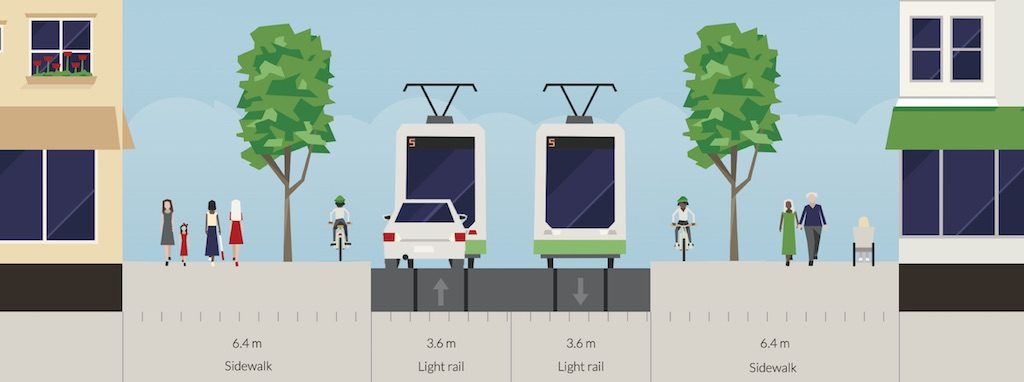
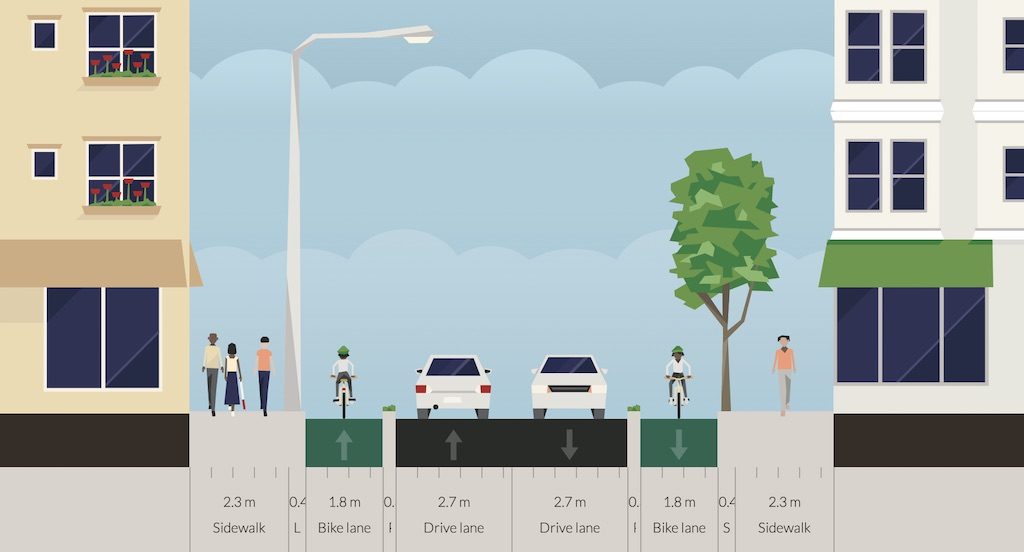
Typical 20-metre wide tram-based shopping streets, such as Swan Street or Brunswick Street, can have 6.4 metre wide areas that offer space for walking and cycling as well as integrated trees.
Example – access street
Typical 15-metre wide access streets, such as Cremorne Street, can have trees on opposite the side to the overhead power lines, enabling trees to grow to their full height.
Guidance from Strong Towns
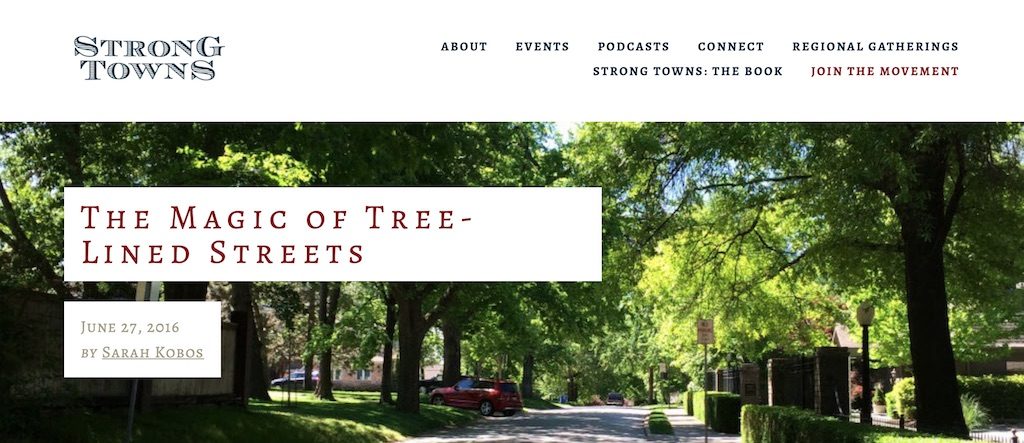
Strong Towns explains the value of tree-lined streets.
Support from Resilient Melbourne
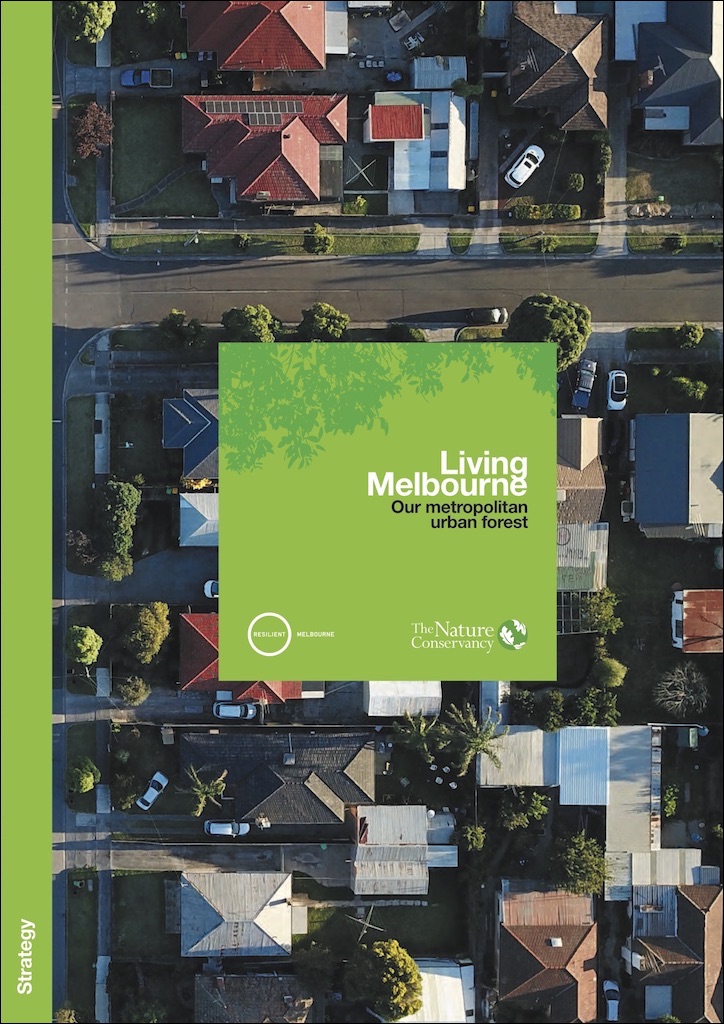
Resilient Melbourne and The Nature Conservancy have published Living Melbourne: Our metropolitan urban forest strategy:
Local champion
Your local champion for trees is Australian Conservation Foundation Inner Melbourne (ACFIM). View all of Streets Alive Yarra’s champions on our supporters page.
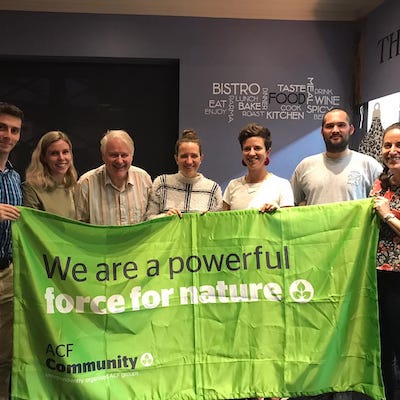
As a local community volunteers group of the Australian Conservation Foundation (ACF), we strongly support the goals and motivations of Streets Alive Yarra. ACF also aims to be an advocate for respecting and protecting nature at a national and local level so Streets Alive Yarra’s promotion of planting more trees to visually calm our streetscapes and enhance a feeling of nature around us is vital. Their promotion of a vibrant and safe urban environment for us all conveys our approach too—that us human beings are ultimately dependant on our urban and native environment for our wellbeing and at the end of the day our productivity as well. ACFIM partners with Melbourne Girls College in a native re-vegetation project on the Yarra River, so like Streets Alive Yarra we want to be part of the solutions to protecting and enjoying the beauty of life around us.
Don Vogt, Australian Conservation Foundation Inner Melbourne