
Council has a Transport Strategy
Council has a Transport Strategy, but sadly has cancelled its Transport Action Plan.
A good Strategy
The Transport Strategy reflects best practice policy on how to deliver a more beautiful, liveable and accessible city. Some highlights are:
- Prioritise walking, cycling and using public transport over car use
- Implement a new deal for schools – support active travel by children and families
- Implement a new deal for walking – make the network suitable for all
- Implement a new deal for cycling – make the network useable for bike riders of all ages and abilities
- Manage car parking in a way that supports the use of active and public transport and the role of cars in an urban environment
- Reduce traffic volumes, particularly where it is excessive
- Lower traffic speeds
- Encourage the use of shared transport
- Encourage investment in new public transport services and improvements to existing services
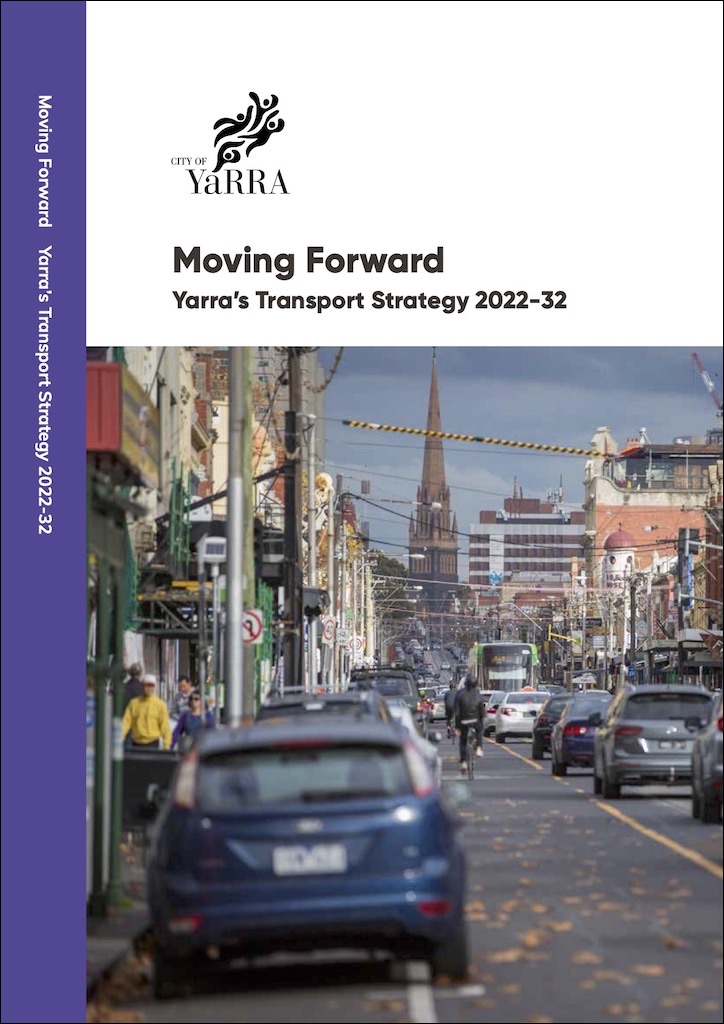
A cancelled Plan
Sadly Council has cancelled its Transport Action Plan, which had laid out a series of actions to deliver a new deal for schools, and a new deal for cycling, which indicate that those items were no longer a priority.

Next steps
If Council actually wished to deliver the Strategy, the next steps would be to:
- allocate the necessary budget (we estimate that $10 million per year is required)
- update the Parking Strategy, including reforms to how on-street parking is priced
Guidance from other councils
The Transport Strategy aligns with transport strategies from other councils, including the City of Moreland, the City of Darebin and the City of Melbourne; as well as with Austroads guidelines, including Integrating Safe System with Movement and Place for Vulnerable Road Users, and Guide to Traffic Management Part 8, Local Area Traffic Management.

Further guidance
Learn more from this collection of design guides, or the European Union guide to developing and implementing a sustainable urban mobility plan:
